





The Careers Guidance & Destinations Platform
Careers | Universities | Apprenticeships
We guide students to find their ideal pathways while helping teachers and careers professionals track and evidence delivery and engagement.








Why Morrisby?

Innovative approach
Our interactive platform helps students make better decisions about subjects, courses, careers and apprenticeships.

Unparalleled expertise
We’re a reputable one-stop careers solution that ensures the best possible school-wide performance is achieved.

Personalised results
Our assessments and technology help young people discover a career path that inspires them.
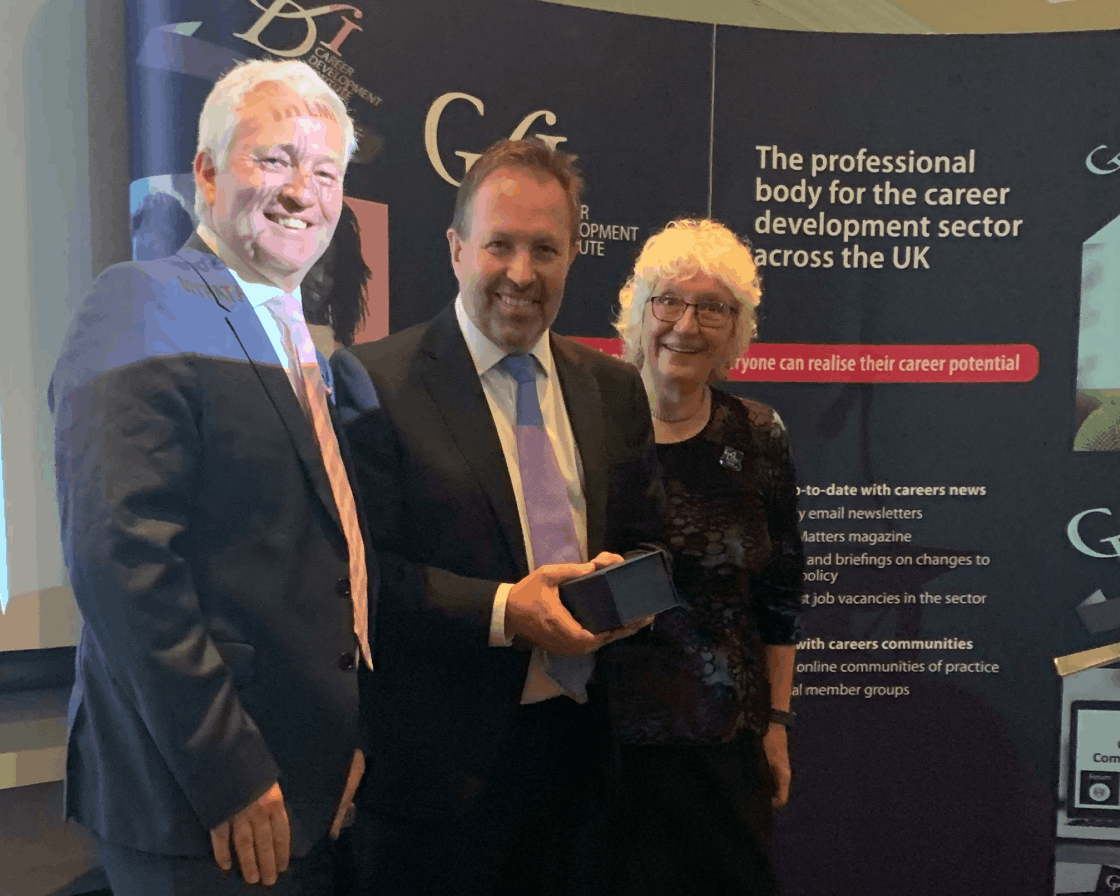
Morrisby is Award-Winning!
We are delighted to announce that we have won the 2023 CDI award for Use of Technology in Career Development for our Morrisby Higher service.



Who we help
Careers advice and guidance to help individuals make better decisions for their career journey.

Making better career choices
Empowering Staff & Students Across the World
Unlocking Opportunities
“Morrisby helped me map my strengths and interests onto a career journey I’m excited about. It resulted in me discovering a passion for medicine and helped me find the perfect university course.”
Lisa Brown
Year 13 Student

“I was overwhelmed by the vast array of career interests across Year 10 students and struggled to keep on top of various admin tasks. Morrisby relieved that stress and provided a simple, straightforward, easy-to-use solution.”
Sara Sattarov
Careers Adviser
“Using Morrisby has made a big impact on our student and parent body with overwhelmingly positive feedback.”
Teacher
School in Belgium
Celebrating Success

Dame Allan's School
Dame Allan's School Exceeds National Expectations
The school was founded in 1705 by Dame Eleanor Allan to provide a 'proper education' for boys and girls in Newcastle.
Dame Allan's School
Reading Blue Coat - Students
Careers Guidance at Reading Blue Coat School
How Reading Blue Coat, an independent school in Berkshire, has been using Morrisby Profile to help students choose their A-Level subjects.
Reading Blue Coat - Students

Reading Blue Coat - Head of Careers
Morrisby Profile & Morrisby Higher at Reading Blue Coat
James Leigh, Head of Careers at Reading Blue Coat, explains how he has implemented Morrisby from Year 10 to Year 13 and the benefits it brings.
Reading Blue Coat - Head of Careers